
Today, being a manufacturer means activity in a different world than just a few years ago. Today’s buyers do not make their purchase decisions based on sales calls, trade shows, or brochures. They research their options online, reading reviews. Actually, buyers are searching for companies that will educate them before selling to them. This shift in buying behavior has turned inbound marketing into one of the most powerful tools for manufacturers wanting to attract high-quality leads without aggressive outreach. Inbound marketing is all about educating and helping customers find you, not chasing after customers.
Most manufacturing companies do not believe that digital marketing applies to them because their products are “too technical” or their buyers are “old-school.” Much to the contrary, most engineers, procurement managers, distributors, and business owners today use online searches even before they approach a manufacturer. They want to understand your processes, materials, certifications, output capacity, and reliability. With content that answers such questions, you automatically become their first choice.
Why Inbound Marketing Matters for Manufacturers
Whereas traditional marketing pushes messages out, inbound marketing pulls the right customers in. People trust brands that educate rather than forcing a sale. The manufacturers creating helpful content-like videos explaining processes, blogs on common industry problems, or social posts featuring behind-the-scenes operations build credibility much quicker than those operating exclusively off cold emails or sales reps.
Inbound marketing works particularly well within manufacturing due to the longer buying cycle. The buyers take their time to compare suppliers, evaluate their capabilities, and check if they are consistent. The more your content shows expertise and reliability, the more you’ll stay in the mind of buyers as they go through their decision-making process.
Creating the Right Content for Manufacturing
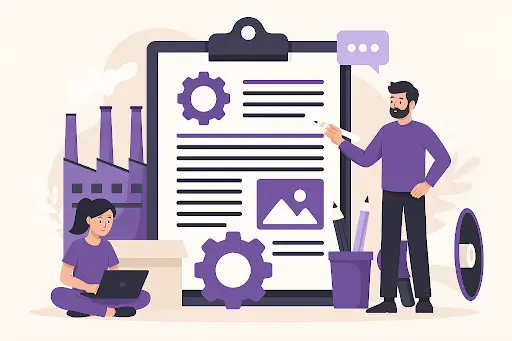
Inbound marketing is all about clear, trustworthy, understandable content. Very often, manufacturers think that nobody in their audience is interested in this or that piece of content, but it cannot be further from the truth. They are interested-they have to be, if they are to find the right partner. When you show them how the machines work, what raw materials you use, how the quality control process works, or whether you have certain certifications, buyers are far more confident when they reach out to you. The best part? Simple content works.
A short video showcasing your production line, a blog on how to select the right material, or even a story about how you solved a customer problem generates more interest than a brochure will. People want transparency-they want to see your plant, your processes, and your team. And when creating content becomes part of your routine, you’re building a digital presence that’s real and trustworthy.
Making Your Content Reach the Right Industrial Audience. Good content creation is one thing, but making sure it reaches the right buyers is the real key. And this is where inbound marketing becomes powerful. Manufacturers have to strategically share their content-whether on LinkedIn, YouTube, niche industry groups, newsletters, or on their website. That’s where buyers are already browsing for solutions. When your content shows up consistently, you naturally become a preferred option. Add the right keywords to your blogs and website, and you show up in search results when a prospect is searching for “best sheet metal manufacturer,” “custom fabrication services,” or even “precision machining near me.” It’s not about pushing ads; you show up right where customers are looking.
That is why Inbound Marketing works so well for manufacturing companies. A Practical Example to Elucidate: Consider a manufacturer of custom metal parts. They create content around filming short videos of how their CNC machines work in action, writing a blog about how different metals behave under pressure, and sharing a post introducing their quality control team. These pieces of content give buyers confidence that the manufacturer knows what they’re doing. That’s when inbound marketing comes into play: when the company uploads the video on YouTube, shares the blog on LinkedIn, uses the content in their email newsletter, and optimizes the website with good keywords.
They start showing up in search results, industrial buyers see their expertise, and enquiries begin flowing in from people who already understand their capabilities. This combination of content and marketing builds a steady pipeline of warm, qualified leads.
Conclusion
Inbound marketing is one of the best ways in which manufacturers can attract serious buyers without being in constant pursuit. It works because it’s in complete harmony with how people make decisions today: through researching, learning, and choosing brands they can trust. Content creation helps you demonstrate your expertise, processes, and capabilities. Content marketing will make sure the right people find and read it. When both of them work together, the manufacturer can build a strong digital presence, enhance credibility, reduce the length of the sales cycle, and improve the quality of leads. In a competitive industrial market, inbound marketing is not just a strategy-it’s a long-term foundation for organic and sustainable business growth.
